
I once watched 23 minutes of video about pool installation from a company I'd never heard of and could not stop. It told me something uncomfortable about every piece of video content I'd ever commissioned: we'd been making content for people who already trusted us, not for the people deciding whether to.
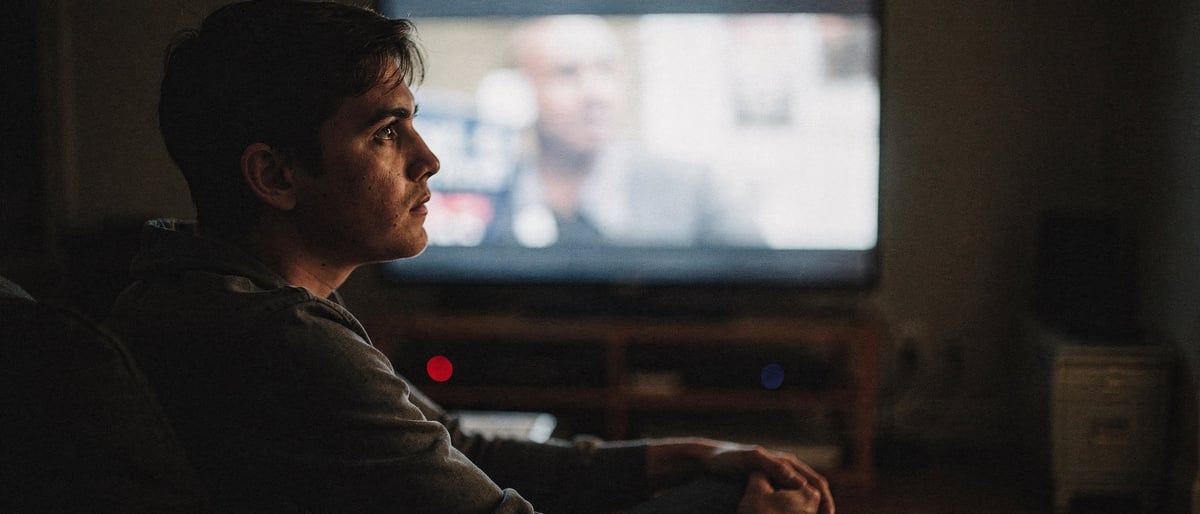
It was about 10pm on a Tuesday. I was considering putting a pool in the garden, which is the kind of project that starts as a vague idea and turns into several evenings of obsessive research before you've told anyone you're thinking about it.
I found a video from River Pools, a company in Virginia I had no connection to and had never heard of. Twenty-three minutes long. I watched every second. Then I went back and watched a second one. I was not bored. I was not skipping. I was taking mental notes.
Somewhere around the twenty-minute mark I thought: I have never watched any of my own clients' corporate videos for more than two minutes. And I've sat in the room while some of them were made.
Why I watched a pool video for 23 minutes
The answer is fear. Not fear of River Pools, but fear of making an expensive, irreversible mistake. A pool costs tens of thousands of pounds, disrupts your garden for months, and will be there every day for the next twenty years. The stakes for getting it wrong are high. When stakes are high, buyers go looking for information. All the information. They do not skim.
Marcus Sheridan and Tyler Lessard make this point in The Visual Sale with the River Pools data: customers watched an average of more than twenty minutes of video before purchasing. That number surprised people in the industry. It did not surprise Sheridan, because he understood what was driving the viewing time. Buyers were afraid, and video was reducing that fear. Length was not a problem. The video being specific enough to be useful was the only thing that mattered.
Video length is not determined by attention spans. It is determined by how much money the buyer is about to spend.
The River Pools videos showed exactly how a fibreglass pool gets installed, step by step, with the kind of specific detail that made it possible to imagine the process happening in your own garden. That specificity was the product. The twenty-three minutes was not too long. It was exactly as long as the information required.
The "all videos must be short" assumption
The received wisdom in marketing is that video should be short. Under two minutes. Under sixty seconds for social. Thirty seconds for an ad. There are contexts where this is right, particularly for brand awareness content reaching people who have no existing interest in what you do.
But there is a different type of video, serving a different purpose, for a different viewer. The buyer who has already decided they might want something. The person who is actively researching before committing to a significant purchase or a significant partnership. That buyer does not want a ninety-second overview with an upbeat soundtrack. That buyer wants enough detail to feel confident making a decision.
Sheridan calls the short-video assumption one of the most damaging myths in business video. It treats all viewers as equally uninterested. It assumes the person watching your explainer about your managed IT services has the same attention threshold as someone scrolling Instagram on a lunch break. Those are not the same person. They are not in the same context. They do not need the same type of content.
90-second brand overview with upbeat music and no specifics
15-minute honest walk-through of what the project actually involves, including where things typically go wrong
Corporate video is not too long. It is too vague.
Here is the thing I had to sit with after the pool video experience. The corporate content I had helped commission over the years was not failing because it was long. Most of it was not even long. It was failing because it was not specific enough to hold anyone who was trying to make a real decision.
A ninety-second video that tells buyers you are "passionate about delivering results" and "committed to your success" gives them nothing to hold. A viewer who is deciding whether to spend money with you needs to know what you actually do, what happens when they work with you, what typically goes wrong and how you handle it. That is not brand messaging. That is buyer education. They are different things with different structures.
The buyer who watches 20 minutes of your video is the buyer you want. Most corporate content gives them nothing worth watching for 20 minutes.
Buyers skip video not because they are impatient but because there is nothing specific enough to hold them. The moment something specific appears, the skipping stops. Watch your own analytics if you have them. Find the timestamp where drop-off spikes. I would bet it is the moment the content becomes generic.
What actually determines the right length
The question to ask when commissioning video is not "how long should this be?" It is "what does this buyer need to know before they will feel confident making a decision, and how much content does it take to cover that?"
For a low-stakes purchase, that might be thirty seconds. For a managed services contract, a production partnership, a cloud migration, a training programme, the buyer's questions are not thirty-second questions. The buyer who is about to sign a significant contract wants to understand your process, your team, how you handle problems, what you have done for people like them, and what it actually feels like to work with you. That is not a brief video. And trying to compress it into one because of a rule about attention spans does not serve the buyer. It just makes them go looking elsewhere for the detail they need.
River Pools understood something that most B2B companies still do not. The buyer who watches your twenty-minute video and gets to the end is not a passive viewer. They have self-selected into serious interest. They have done the work. They arrive at the sales conversation already informed, already invested, and far easier to convert than someone who watched ninety seconds and left.
The pool video I watched in Virginia, from a company I will probably never buy from because I am in London and they are in Virginia, changed the way I think about every video brief I have handled since. The question is not how short can we make this. The question is what does the buyer need, and are we brave enough to give it to them in full.