
The film had forty-two views in six months. I know because I checked the YouTube analytics on a slow Tuesday morning, about three weeks before I was supposed to recommend we repeat the exercise.
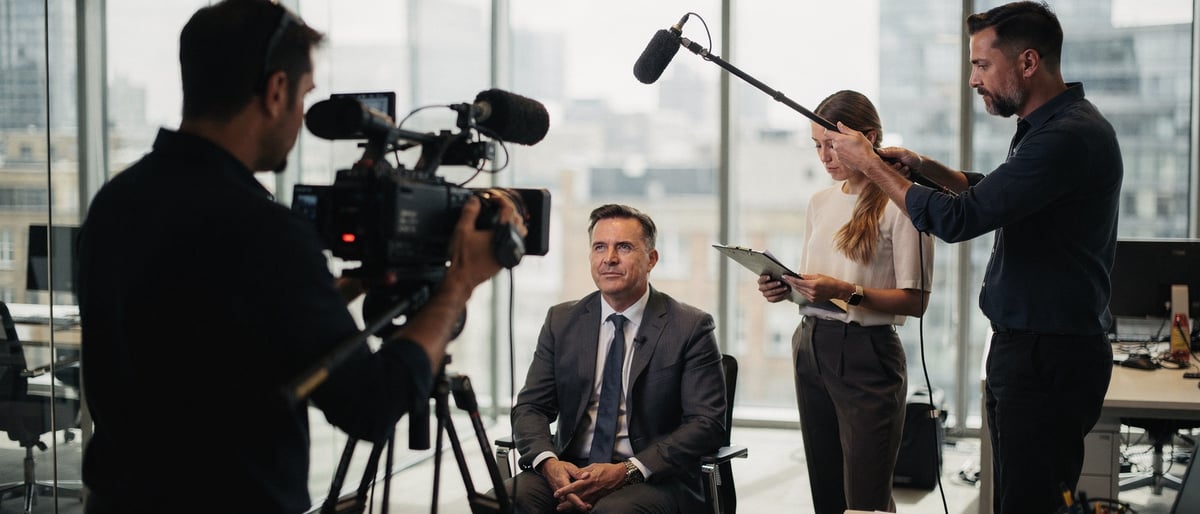
We had spent three days producing that corporate video in London: one pre-production day, one shoot day, one edit day. The director of photography was excellent. The grade was clean. The interview subjects were articulate and calm on camera. I genuinely liked the result.
Forty-two views. Twelve of those were the production team reviewing the final cut.
I wanted to blame the distribution. We had sent it to the email list, posted it on LinkedIn, and put it on the home page. It had not travelled. I told myself that good corporate video rarely gets the organic push it deserves, that distribution is a separate problem, that the creative was solid and we should invest more in paid amplification.
I was wrong about all of that. The analytics told me so slowly enough that I nearly missed it.
The video I built for myself
What I had built was a brand film. It opened with music, cut to a series of location shots, gave you the founder's story, named the company values, and closed on a website URL. It was the kind of video that wins awards at production showcases and converts nobody. I had made it because I was proud of the studio work and I wanted something that felt like a flagship. The viewer it was designed for was me.
The forty-two people who watched it were not potential clients wondering whether to hire us. They were already connected to the business in some way. The people who needed to watch it, the buyers who were evaluating options and unsure whether corporate video in London was worth the cost for their brief, had no reason to click play. There was nothing in the first fifteen seconds that addressed the thing they were actually worried about.
That is the miss I spent six months building. It is the most common one in the category.
The first question that matters
A corporate video brief almost always starts with: what do we want to say about ourselves? It should start with: what is the viewer worried about when they press play? The gap between those two questions is where most corporate content disappears.
Rebuilding the first thirty seconds
A drone shot of London and a slow build of music, opening on the founder's story and the company values before closing on a website URL.
Mid-sentence from a client naming a real fear, then the Studio Director's calm reply. Fifteen seconds, no music, no location shot.
I rebuilt the piece. Not from scratch: I used the same footage, the same interviews, the same grade. What changed was the first thirty seconds. The original opened on a drone shot of London and a slow build of music. The new version opened mid-sentence from one of our clients: "We had three weeks. I had no idea whether we could pull it off." Then our Studio Director's voice, calm: "We'd done it before. We knew the shape of the problem."
Fifteen seconds. No music. No location shot. Two sentences that named a fear the viewer already had.
The recut went up in October. By February it had four thousand views and had been shared in two Slack workspaces by people who worked at companies we had never spoken to. Three new enquiries came in from organisations in sectors we had not previously worked with. Each of them mentioned the video.
The production did not change. The shoot, the grade, the interview content: all identical. The only thing that changed was the question the film answered in its opening seconds. The original asked the viewer to care about who we are. The revised version acknowledged that the viewer had a specific fear, and showed evidence that it had been solved before.
Why production cost does not protect you
Corporate video is an expensive way to be ignored. The production cost does not protect you from that; if anything it amplifies the problem, because a well-made video that does not convert is a large investment that cannot be attributed to anything useful in the pipeline.
The fix is not a different approach to production. It is a different first question. Before you brief the director on the feel you want and the story you want to tell, name the specific fear the buyer has at the moment they land on your page. Build the first fifteen seconds around that. The rest of the film earns its running time only if those fifteen seconds earn the viewer's attention.
How we brief it now
I now see a version of this mistake in almost every first brief that comes to us at Disruptive. The client has a strong sense of the brand story they want to tell. They have good reasons for that story. The production team can make it look beautiful. What we add to the conversation is one question: who is watching this, and what are they afraid of when they press play?
Start there. The film is easier to make when you know what it needs to do, and considerably less likely to end up with forty-two views.
If you want to see how we structure a brief before the camera moves, we walk through it with new clients in a half-hour studio consultation. No commitment required. That conversation has prevented the forty-two-view outcome more than once.
Frequently asked questions
Why did a well-produced corporate video get so few views?
The production was strong but the opening was built for the company, not the viewer. Nothing in the first fifteen seconds addressed what a buyer was actually worried about, so the people it needed to reach had no reason to press play.
What single change turned the video around?
The first thirty seconds. The same footage, interviews and grade were kept, but the opening was recut to name a fear the viewer already had and show evidence it had been solved before.
What should a corporate video brief start with?
Not what you want to say about yourself, but what the viewer is worried about when they press play. Build the first fifteen seconds around that fear before you brief the director on the feel or the story.
Does spending more on production fix the problem?
No. A well-made video that does not convert is a larger investment with nothing useful to attribute it to. The fix is a different first question, not a different approach to production.
How does Disruptive help with a corporate video brief?
We add one question to the conversation: who is watching this, and what are they afraid of when they press play? New clients can walk through the brief with us in a half-hour studio consultation with no commitment.