

Six weeks into a new role, a hire I'd fought to get came to find me. She was good. The kind of person you build a team around. She sat down, paused, and said the onboarding video had made her wonder, on day two, whether she'd joined the wrong company.
Not the job. The job was fine. The video.
It was eleven minutes long. A presenter in a grey room reading policy off a slide, a stock-music bed under it, a logo that hadn't been updated in three years. Nobody on the team had watched it since it was made. We sent it to every new starter on their first morning, before they'd met anyone, before they'd seen the actual work. It was the first thing the company said to people we'd worked hard to hire.
Why she nearly walked
She didn't leave. She told me, which is rarer and more useful. Most people in that position say nothing and quietly recalibrate their expectations downward. Then, eight or nine months later, they take a call from a recruiter and the conversation goes somewhere it wouldn't have gone if their first impression had been different.
What the video was actually communicating
I went back and watched the thing properly, the way a new starter would, with no context and no goodwill. It took about ninety seconds to understand the problem.
The content was accurate. Every fact in it was true. That was never the issue. The issue was everything the format said underneath the facts. It said this is low priority. It said we made this once and stopped caring. It said the gap between how we talk about ourselves and how we actually operate is wider than you think, and you're seeing it on day one.
A new hire is reading signals constantly in their first fortnight. They've left something for you. They're looking for evidence they made the right call. A tired training video is evidence pointing the other way, and it lands before anyone has had a chance to counter it with the real thing.
The facts in the video were all correct. Everything the format said underneath the facts was the problem.
The cost nobody puts in a spreadsheet
Replacing a strong person who leaves in their first year is expensive in the obvious ways. Recruitment fees, the months of partial productivity, the work that doesn't happen while the seat is empty. Those numbers get counted.
The number that doesn't get counted is the difference between a person who arrives convinced and a person who arrives quietly unsure. The convinced one commits faster, asks better questions, brings people in. The unsure one keeps a foot near the door for months without telling anyone. Same salary. Different return entirely. The onboarding experience is one of the few levers that moves a new starter from the second group into the first, and a bad video moves them the wrong way.
I used to think training video was a compliance cost. A box. Something legal wanted to exist so the company could prove it had told people things. Watching that hire's face while she described her day two changed how I think about it. It isn't a box. It's a message about how seriously you take the people you just hired, delivered at the exact moment they're deciding how seriously to take you back.
What we changed
Eleven minutes of a presenter reading policy off a slide in a grey room, stock music under it, an outdated logo. Nobody on the team had watched it since it was made.
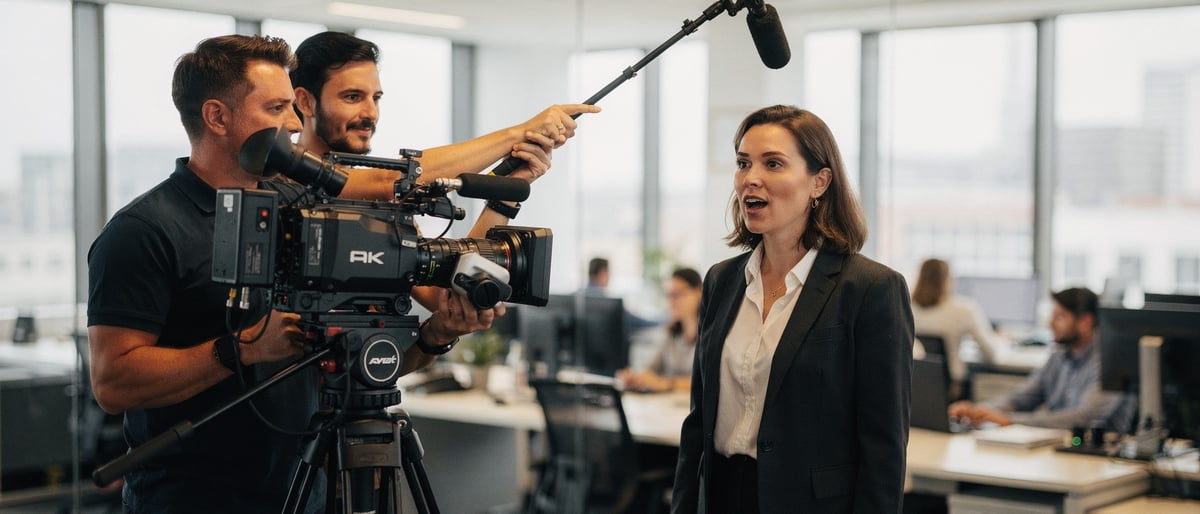
Under five minutes of the person who actually runs the job explaining it in their own words, filmed properly with a small crew in a real space so it looked like the company meant it.
We didn't make it slick. Slick wasn't the problem and slick has its own tell, the one that says marketing made this and it isn't really how we work.
We rebuilt it around people who actually do the jobs. The person who runs the thing we were explaining stood in the place where it happens and explained it, in their own words, the way they'd explain it to someone joining their team. We cut it from eleven minutes to under five. We filmed it properly, with a small crew, in a real space, so it looked like the company meant it rather than tolerated it. Good corporate video in London does not have to mean a director and a month. It means someone competent in the room, the right person on camera, and a result that respects the time of everyone who has to watch it.
The next intake watched it. Then they talked about it, which the old one never managed. One of them mentioned a detail from it in their first week, unprompted, which told me they'd actually been paying attention rather than waiting for it to end.
Onboarding is one of the few levers that turns a quietly unsure hire into a committed one. A bad video pushes it the wrong way.
The honest part
Most companies will not rebuild their training video this year. It works well enough. Nobody has complained loudly. The people it's costing leave without a forwarding note explaining why, so the cost stays invisible and the video stays where it is.
That is the actual risk. Not that the video is bad. That it's bad and the feedback loop is broken, so it keeps doing damage to the exact people you most need to keep, and you find out from a resignation rather than a conversation.
If you want to know what yours is really saying, do one thing this week. Watch your onboarding video the whole way through, with no context, the way a new starter would on their second morning. Don't skip. If you reach the end and feel proud of what it told them about you, you're fine. If you don't, that's worth knowing now rather than at an exit interview.
When you want a second pair of eyes on it, send us your current onboarding video and we'll tell you, plainly, what it's saying to your new hires. No pitch attached. Just an honest read, which is the part most people never get.
Frequently asked questions
Why does an onboarding video matter so much on day one
A new hire reads signals constantly in their first fortnight, looking for evidence they made the right call. A tired video lands before anyone can counter it with the real thing.
What was actually wrong with the original video
Every fact in it was accurate. The problem was what the format said underneath the facts, that this was low priority and made once and then ignored.
Does fixing it mean making something slick
No. Slick has its own tell, the one that says marketing made this and it is not really how we work. The fix was building it around the people who actually do the jobs.
How can I tell what my own onboarding video is really saying
Watch it the whole way through this week with no context, the way a new starter would on their second morning. Do not skip. If you reach the end feeling proud of it, you are fine.
What does good corporate video in London actually require
Not a director and a month. It means someone competent in the room, the right person on camera, and a result that respects the time of everyone who has to watch it.